
5 hr 30 min
Tybee Island Dolphin Expedition from Savannah
Trolley ride to Tybee Island, waterfront lunch stop, dolphin-watching cruise, and lighthouse views
Reserve
Hand-picked by our editors — only the best 5 dolphin tours from 18 reviewed.
Verified partners for every tour, free cancellation where available, and instant confirmation on every booking.
5 hr 30 min
Trolley ride to Tybee Island, waterfront lunch stop, dolphin-watching cruise, and lighthouse views
Reserve
2 hr
Two-hour coastal journey spotting dolphins, exploring tidal marshes, and learning about Georgia's marine ecosystem
Reserve
2 hr
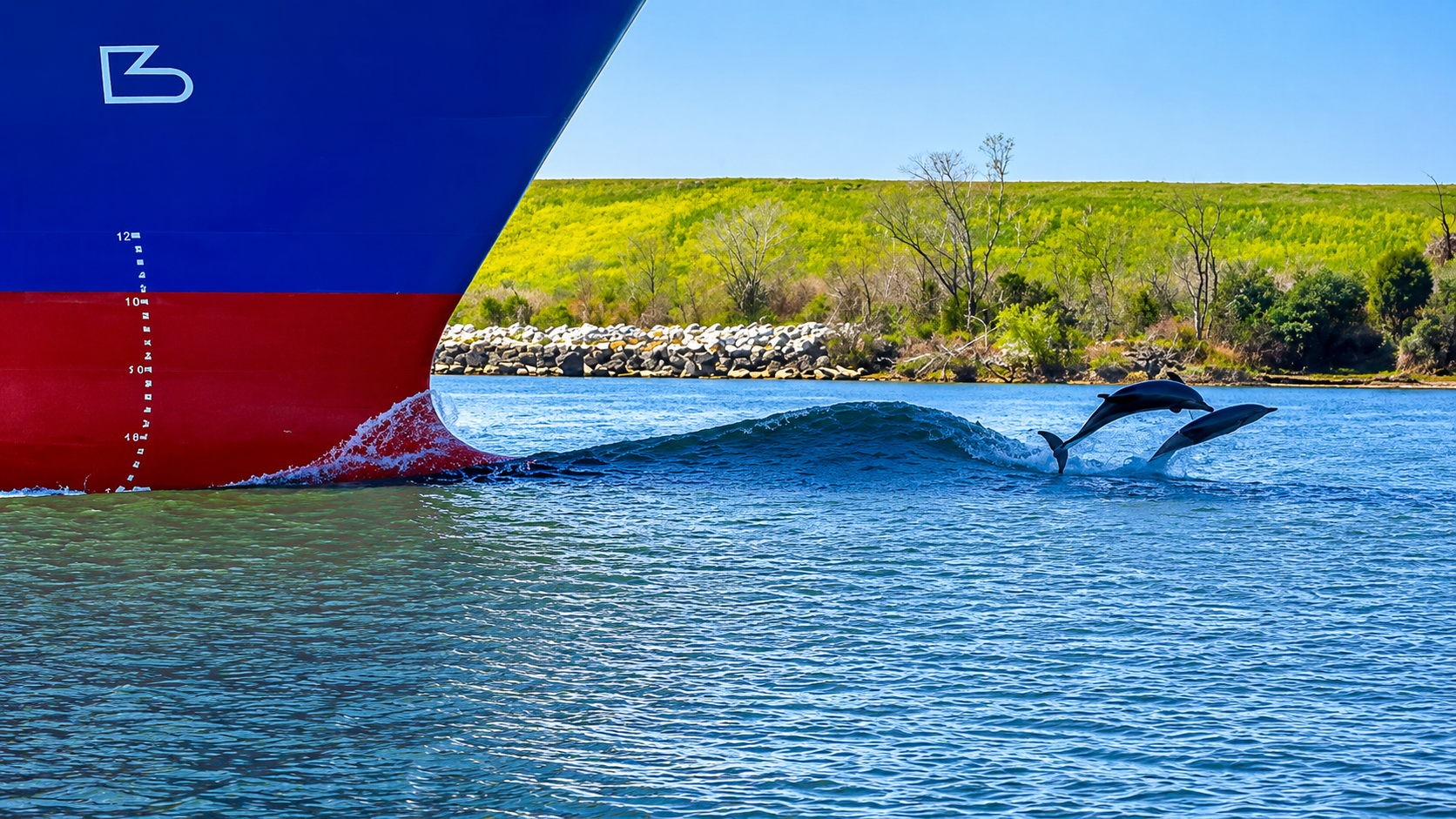
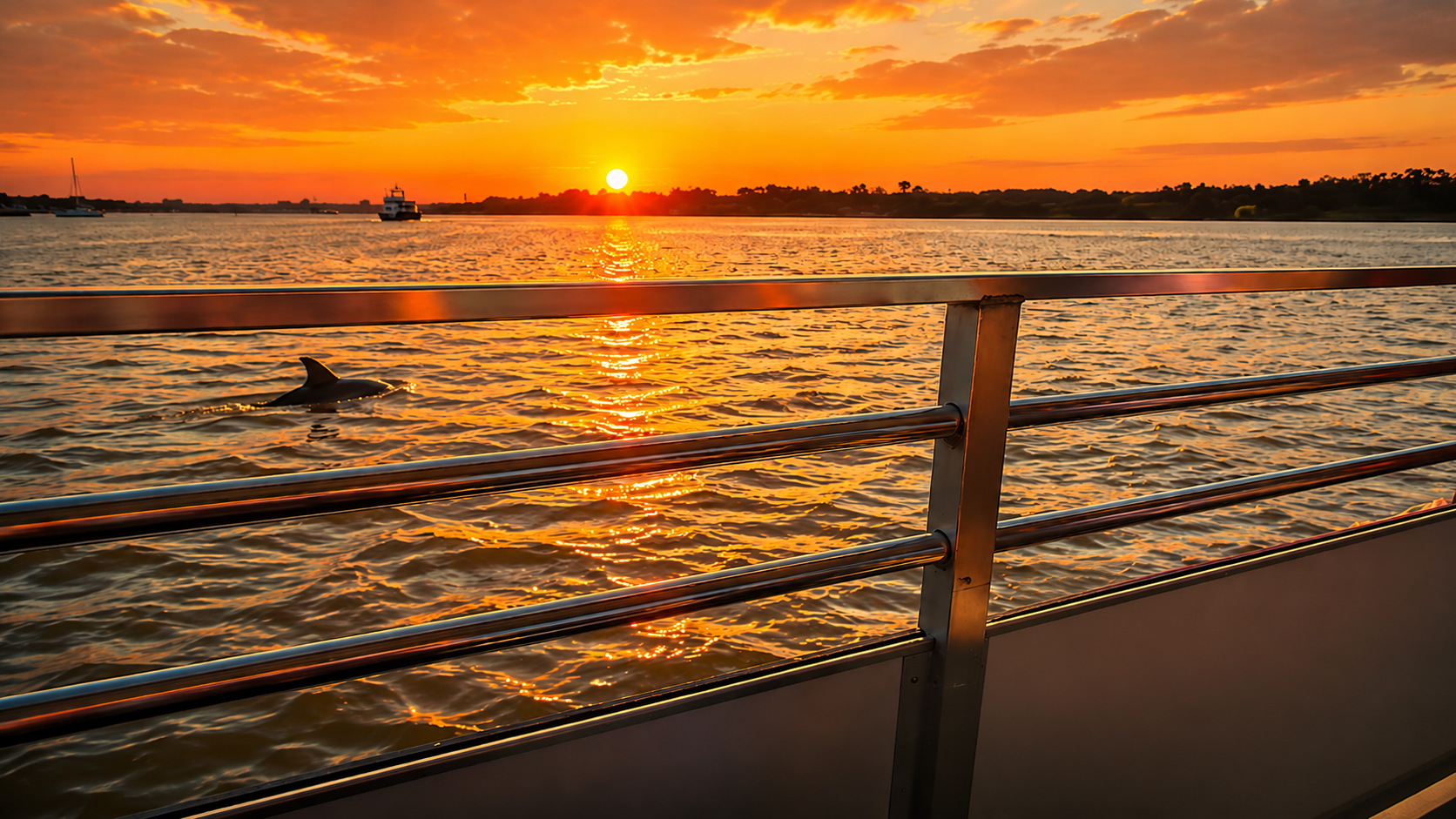
Two-hour eco cruise spotting dolphins and wildlife while sailing past container ships at golden hour
ReservePrices from verified partners. Availability updates in real time at checkout. Free cancellation policies apply where shown.
The landmarks, rooms, and views travelers on this tour remember — all visible on a single visit.
Historic 18th-century lighthouse overlooking the Atlantic Ocean featuring great photo opportunities.
A historic 19th-century fortification located on the Savannah River passage.
Built in 1856, this iconic lighthouse sits at the mouth of the Savannah River.
A remote, uninhabited barrier island accessible only by boat, known for its pristine natural beauty.
A storied waterway serving as the gateway to the Port of Savannah and local dolphin habitats.
They complement each other; visitors seeking intimate encounters with wildlife in their natural habitat prefer the Tybee excursion, while those prioritizing city center accessibility choose the Savannah Riverboat Cruises. Savannah dolphin tours river street tours provide a different maritime perspective compared to the open ocean excursions near the coast.
| Feature | Top pick Tybee Dolphin Cruise | Savannah Riverboat |
|---|---|---|
Environment |
Open Atlantic waters | |
Travel distance from Savannah |
18 miles | |
Dolphin sighting probability |
High | |
Vessel type |
Open-deck power boat | |
Narrative focus |
Marine biology and local ecology | |
Savannah dolphin tours river street tickets |
Available for central departure | |
| See tickets → |
Verdict: If your primary goal is observing coastal wildlife in the wild, the Tybee Island option is superior, whereas the riverboat savannah dolphin tours river street tour offers a more convenient, historically focused outing.
Choose your ticket, select your date, and reserve in under two minutes. Secure checkout handled by our verified partner.
Instant confirmation by email, with a mobile voucher you can save offline. No printing, no queuing at a collection desk.
Arrive at the entrance, show your voucher on your phone, and walk in. Most tickets include priority or skip-the-line access.
Practical details for your visit straight from our verified partners — hours, access, rules, and how to get there.
Casual beachwear is recommended for savannah dolphin tours river street outings. Comfortable shoes and layers are advised for sea breezes.
Small personal bags are permitted on savannah dolphin tours river street boats. Guests should check in at the green dock house.
Photography is encouraged on all savannah dolphin tours river street excursions. Guests can capture images of marine life and landmarks.
Some vessels feature handicap access for savannah dolphin tours river street trips. Please call in advance to ensure availability.
These savannah dolphin tours river street excursions are family-friendly and suitable for all ages. Children's pricing is available.
Guests may bring their own food and drinks on board savannah dolphin tours river street cruises. Snacks are also available at the dock house.
Best time to go, insider tips, nearby landmarks, and the cancellation fine print — flip through to skim what matters to you.
Flexible, no hidden fees.
Reservations require 24 hours notice for changes or cancellations. No refunds are issued for cancellations within 24 hours of the 34.95 USD daytime dolphin tour departure.
River Street's cobblestone ramps once carried cotton bales and naval stores onto schooners bound for Liverpool and Charleston; today they serve as departure points for dolphin-watching vessels that navigate the same tidal channels British traders mapped in the 1730s. The Savannah River's brackish mix — fresh water descending from the Appalachian piedmont meeting Atlantic swells — creates a nutrient corridor that draws Atlantic bottlenose dolphins year-round, particularly where the river bends past Fort Jackson and widens into the sound. The same hydraulic forces that made Savannah a deepwater port sustain one of the southeast coast's densest inshore dolphin populations, with pods of six to twelve animals hunting mullet and spot along the spartina marsh edges that fringe Hutchinson Island and the approach to Tybee Roads. Savannah dolphin tours river street operations benefit from a geographic accident: the historic riverfront sits just eight nautical miles upstream from the dolphins' primary foraging grounds, a proximity that allows morning departures to reach open water within twenty minutes and return before the afternoon flood tide reverses current direction. Captains time their routes to coincide with the outgoing tide, when baitfish concentrate in the narrowing channels and dolphins work cooperatively to herd prey against mudflats and oyster bars. The strategy mirrors techniques Gullah fishermen employed here for two centuries, reading water color and bird activity to predict where marine mammals would surface. The vessels themselves range from twenty-two-foot open skiffs to sixty-passenger pontoon cats, all operating under NOAA guidelines that mandate a fifty-yard approach distance and prohibit feeding or harassment. Onboard naturalists — many affiliated with the Tybee Marine Science Center — provide real-time identification of individual dolphins by dorsal fin notches and scars, a photographic catalogue now spanning three decades and documenting matrilineal pod structures unique to this estuary. The same guides point out loggerhead turtles transiting between nesting beaches and offshore feeding zones, brown pelicans plunge-diving at tide rips, and the occasional manatee trailing warm-water discharge from the Elba Island power plant. Savannah's dolphin-watching infrastructure emerged in the early 1990s, when recreational anglers began adapting their charter schedules to meet demand from cruise-ship passengers docking at the Georgia Ports Authority terminal. What started as ad hoc trips from the public boat ramp evolved into a regulated industry with dedicated ticketing kiosks along River Street's Factor's Walk, the nineteenth-century iron bridgeways that connect the bluff-top commercial district to the waterfront below. The physical layering — street level, bridgeway, wharf — mirrors the experience itself: visitors descend through Savannah's mercantile past to board vessels that operate in a working river, where container ships, naval auxiliaries, and eco-tourism boats share the federally maintained shipping lane that remains the city's economic lifeblood.
"The same tidal channels British traders mapped in the 1730s now guide dolphin-watching vessels past spartina marshes where Atlantic bottlenose pods hunt year-round."
A step-by-step walkthrough of the visit — what you'll see, how long each stage takes, and the details that matter.
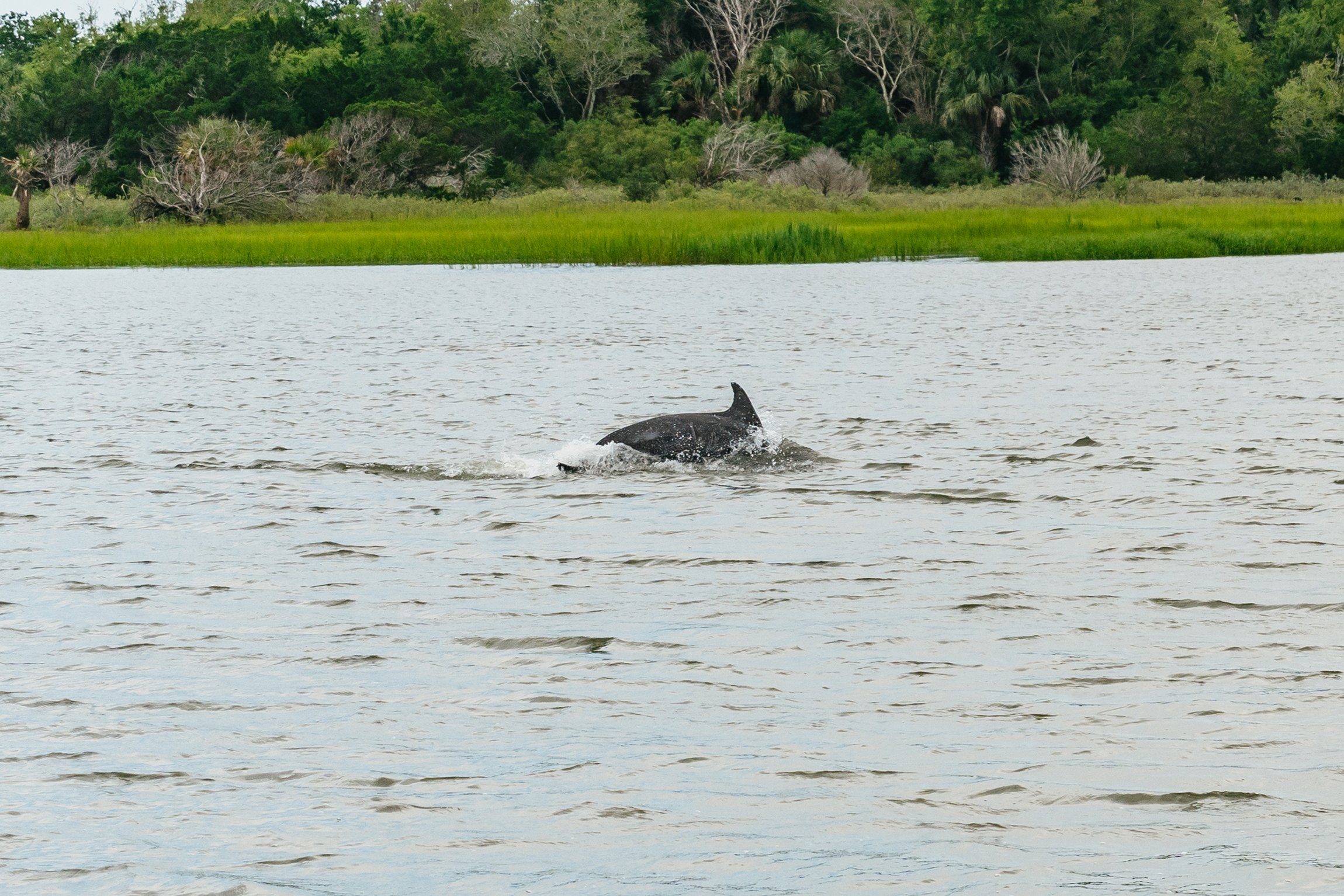
You descend the iron staircase at River Street's Factor's Walk, passing under brick arches that once sheltered cotton bales, and step onto a floating dock where your vessel idles against foam fenders. The captain checks your mobile voucher, hands you a life vest, and motions you toward the forward bench seating. Seven other passengers settle in as the mate casts off the spring line and the boat pivots into the river's brown current, passing beneath the Talmadge Bridge's twin cantilever spans. Twenty minutes downstream the engine throttles back. The naturalist points to a dorsal fin slicing the surface forty yards off the starboard bow, then two more fins appear, tracing lazy arcs as the dolphins work a school of mullet against a mud bank. You watch one animal breach completely, twisting midair before re-entering with barely a splash. The boat drifts with the outgoing tide while the pod circles, individual dolphins surfacing every thirty seconds in a rhythm you learn to anticipate. The naturalist identifies a scarred male she's photographed for twelve years, calling out the notch pattern on his trailing dorsal edge. The vessel continues toward Tybee Roads, where the river widens into sound and the water shifts from turbid brown to green. Oyster bars emerge at low tide, crusted white with shells and crowded with egrets and willets. A loggerhead turtle surfaces briefly before submerging. The return trip runs upstream against the slackening ebb, the Savannah skyline growing distinct as you pass Fort Pulaski's brick bastions and re-enter the commercial channel, container cranes silhouetted against the western sky.
The attraction operates Monday through Saturday from 07:00–21:00 and is closed on Sundays.
The adult entrance fee for a daytime dolphin tour is 34.95 USD.
Yes, Tybee Island Dolphin Cruise is family-friendly and welcomes guests of all ages.
Cancellations must be made at least 24 hours in advance to avoid losing the 34.95 USD fee.
Yes, you are welcome to bring your own food and drinks on board Tybee Island Dolphin Cruise vessels.
Yes, some boats are accessible, but you must call to request accommodations for Tybee Island Dolphin Cruise tours.
The best arrival window is between 07:00–20:00 for the best lighting and water conditions.
Yes, you can see historic landmarks like the Tybee Island Lighthouse and Fort Pulaski during savannah dolphin tours river street trips.
Photography is encouraged, and guests often capture excellent shots of Atlantic bottlenose dolphins on these savannah dolphin tours river street adventures.